
 When doctors and researchers first discovered the link between heater-cooler devices and a bacterial infection, they thought they’d found the reason for a few patients falling ill after cardiothoracic surgery. However, as more information came to light, the implications – as well as the risks involved in using the devices – are growing far beyond those initial concerns.
The U.S. Centers for Disease Control recently issued a warning of those risks. The devices, used to keep patient blood and body temperature within suitable ranges during the complicated operations, have been implicated in bacterial infections known as NTM, or nontuberculous mycobacterium infections. The infections can take months, or even years, to manifest because of the slow rate of growth of NTM bacteria.
CBS News reports that close to 2,000 heater-coolers are present in American surgical suites and they are used in 60% of heart-bypass procedures performed each year.
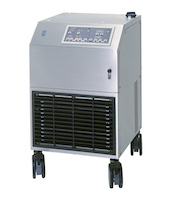 Because the heater-cooler is a closed system, many of the questions to this point about heater-cooler associated NTM infections have focused on how patients have been infected in the first place. Water from the heater-cooler tanks never comes in contact with the patient or the outside air. However, investigators are now questioning whether the devices may have been contaminated during manufacturing.
NTM bacteria is very common and is mostly harmless to healthy humans. However, to those that are ill or undergoing the trauma of open-heart surgery, the immune system is already compromised; making it much easier for an infection to take hold. As contaminants inside the heater-cooler are blown out of the unit via the exhaust fan, they become aerosolized within the surgical suite. While posing no threat to the medical staff, the story is not so good for the patient on the operating table.
The CDC is advising anyone who had open-heart surgery before 2014 to know and look out for symptoms of an NTM infection. Those symptoms are night sweats, muscle aches, weight loss, fatigue, discharge from a surgical incision site, or a fever that has come on for seemingly no reason. Hospitals are also advised to verify that all necessary means are being used to clean and disinfect heater-cooler machines and to check with the devices’ manufacturers to see if updated cleaning procedures have been released.


